

A GPR survey with the industry-leading Proceq GP8000 detects rebar, post-tension cables, conduits and voids up to 1.5 m deep in concrete—non-destructively, with no radiation and no need to evacuate the area, and with full reporting. For buried utilities in soil, our Proceq GS8000 reads up to 10 m depending on ground conditions. We survey across Dubai, Abu Dhabi, Sharjah, Ras Al Khaimah, Fujairah and Al Ain, and are trusted by Dubai Mall, Emaar and ADNOC.
.jpg&w=3840&q=75)
A GPR (Ground Penetrating Radar) survey is a non-destructive testing method that uses radar pulses to image the subsurface of concrete and ground. It detects and maps rebar, post-tension cables, electrical conduits, plumbing, voids and other embedded objects before any cutting, drilling or excavation. Because the survey is done from one accessible face with no ionising radiation, work can continue around it — unlike concrete x-ray, which needs access to both sides of the element and the area cleared. This prevents costly damage, ensures structural safety and protects workers. Across the UAE, a GPR survey is a standard requirement before safe construction and renovation work.
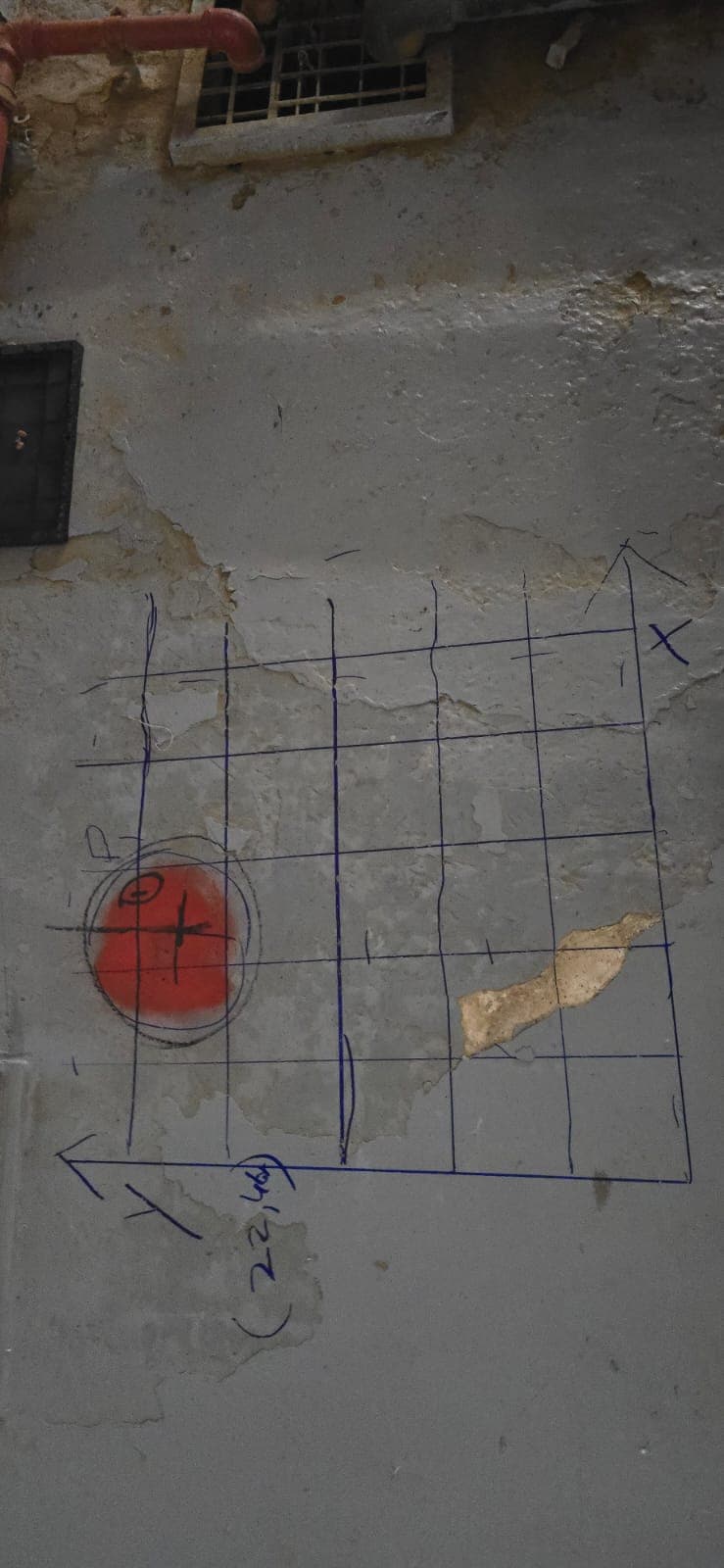
We define the scan area and set a systematic grid to ensure full coverage. This ensures no zones are missed and data is consistent.
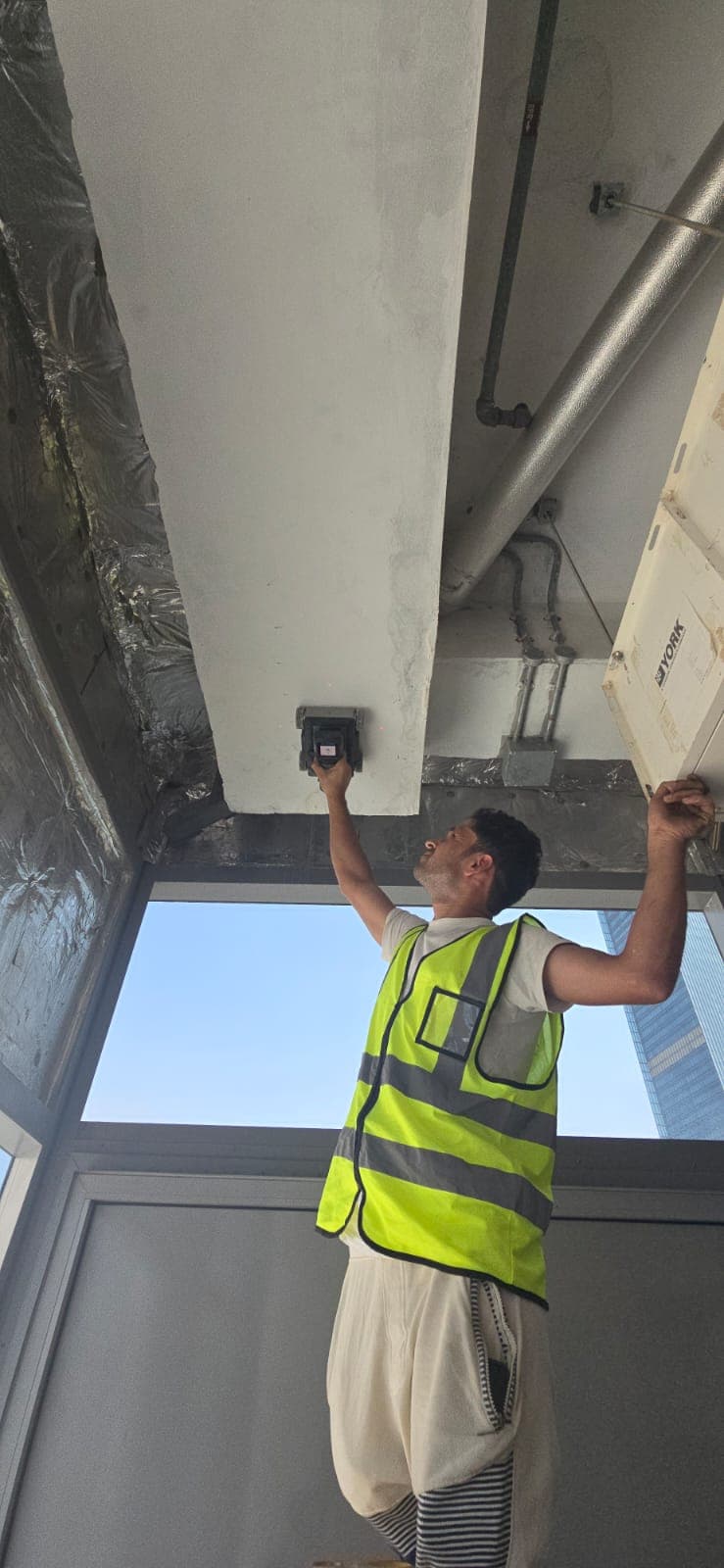
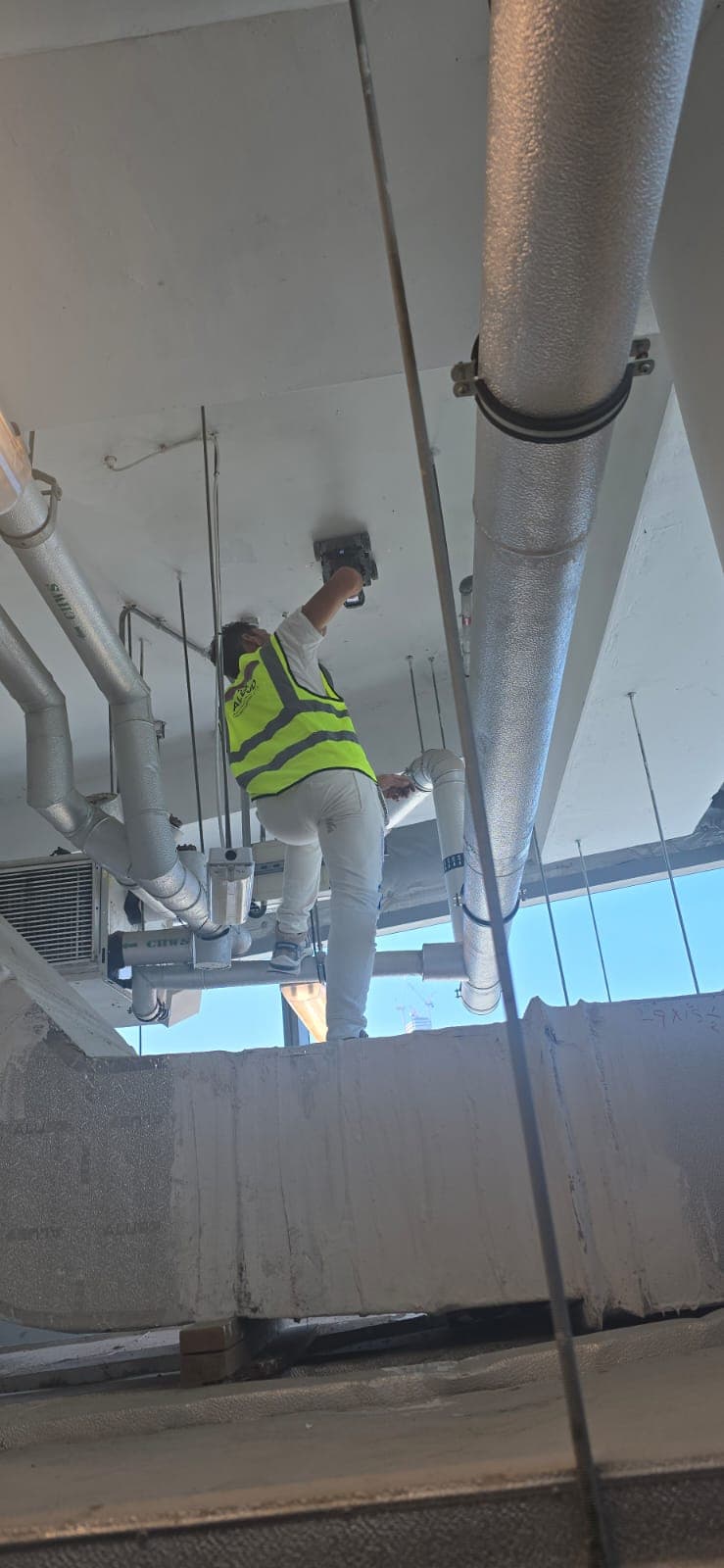
Our technician moves the GPR antenna over the surface. The GP8000 sends electromagnetic pulses into the material and records reflections from embedded objects in real time.
Data is processed and interpreted to produce marked-up drawings, depth estimates and a professional report you can use for planning and compliance.
Proceq GP8000
The Proceq GP8000 is a state-of-the-art ground penetrating radar system that provides real-time 3D visualization of concrete structures. It enables accurate detection of rebar, post-tension cables, conduits and voids at depths up to 1.5 m in concrete, with high resolution and reliability. Used by leading contractors and consultants worldwide, the GP8000 is the gold standard for concrete scanning in the UAE. For scanning the ground rather than concrete—locating buried utilities before excavation—we operate the Proceq GS8000, which reaches up to 10 m depending on soil conditions.
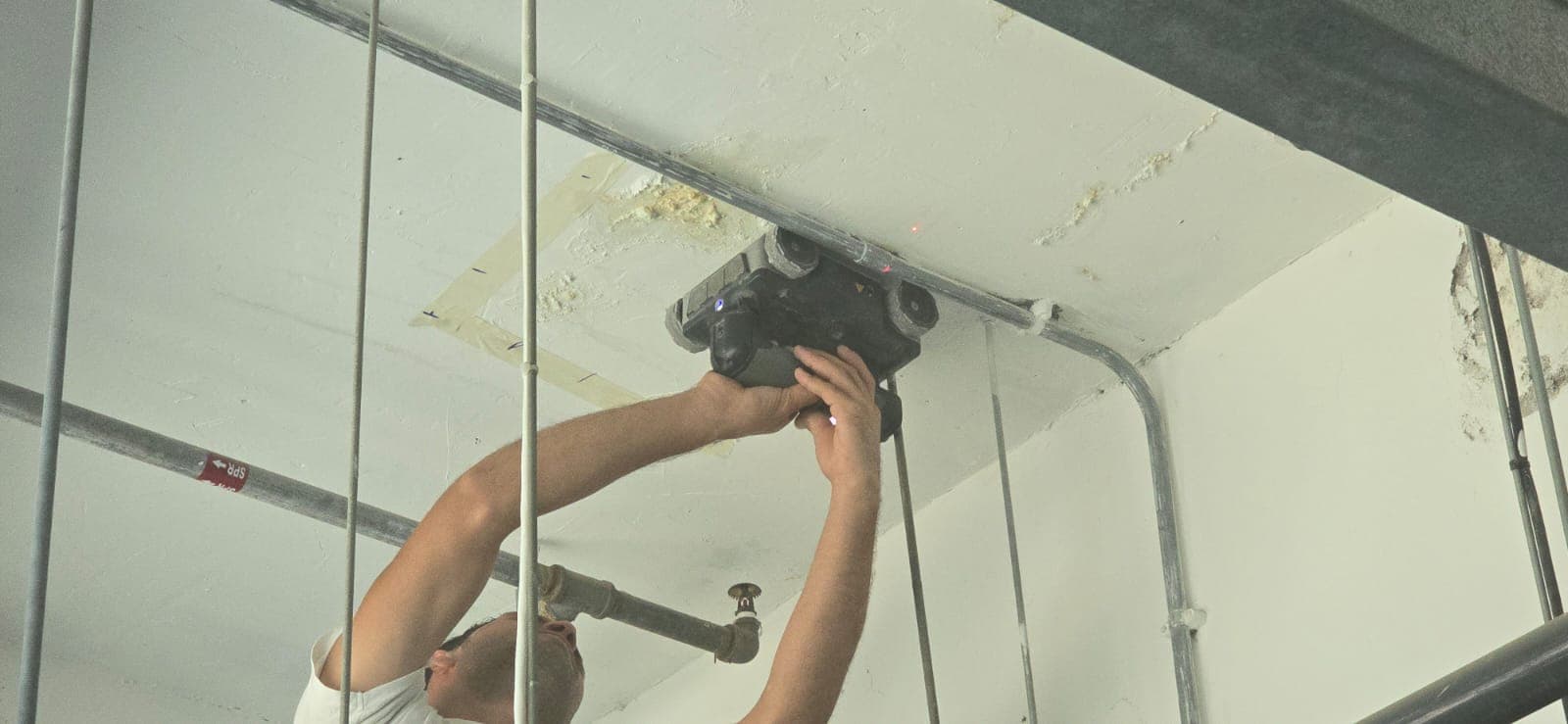
The GP8000 is built for concrete and the GS8000 is built for ground—we operate both, so the right instrument goes to the right job. Real-time 3D visualization helps our team and your engineers make fast, confident decisions on-site, and honest depth figures mean you know exactly what a scan can and cannot tell you before we mobilise.
Full coverage of slabs, walls, beams and columns.
See subsurface structures as we scan.
Accurate mapping of all critical embedded elements.
No damage to the structure; safe for occupants and workers.
Marked-up drawings and recommendations for your records.
Standard practice before any core cutting or drilling.
We discuss your project, scope and deliverables. We confirm scan areas, access and any specific concerns (e.g. post-tension cables, utilities). A site visit or detailed brief ensures we bring the right setup and allocate the right time.
Our certified technician performs the scan using the Proceq GP8000, following a defined grid. We mark findings on the surface where required and capture all data for analysis.
We process the data and produce a professional report with marked-up plans, depth estimates, object identification and clear recommendations for safe cutting or construction.
We provide actionable recommendations—where it is safe to cut or drill, and where to avoid. This supports your design, construction and safety compliance across Dubai and the UAE.
.jpeg&w=3840&q=75)
Local pages covering the areas, ground conditions and site requirements specific to each emirate.
Get a free quote for a GPR survey with the Proceq GP8000. Send us your site address and we respond within 1 hour during business hours.
Direct lines
+971 55 692 6286Bhadeyatechnical@gmail.comWe respond within 1 hour during business hours.